
Many small stores treat Instagram as a place to post product photos and wait. That rarely works. People scroll past products from accounts they do not know. What stops them is content that is useful or interesting, and a profile that tells them in a second what you offer.
Get the profile right first
A new visitor decides in a few seconds whether to follow. Help them:
- Name and handle: keep it close to your store name so people can find you (see naming your store).
- Photo: your logo, clear at a small size.
- Bio: say who you help and with what, in one or two lines. "Gear for small apartments, shipped worldwide" beats "Welcome to our shop".
- Link: point to the store or a page with your top products. Check that it works on mobile.
- Highlights: use them for shipping info, reviews and FAQs, the things buyers look for.
Choose a few content types
Instead of random posts, rotate between three or four formats:
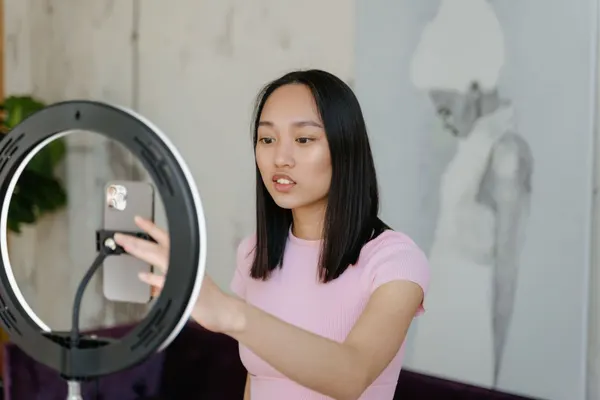
- The product in use. Short videos or photos showing real use.
- Problem and solution. Show the annoyance your product fixes.
- Behind the scenes. Packing, sampling, choosing products. It builds trust.
- Customer content. Photos and comments from buyers, with permission (see social proof).
Short vertical video usually reaches more new people than still photos, but a good photo still earns saves, which matter too.
Write captions that do a job
Start with a line that makes people stop. Give some useful detail. End with one clear action, such as visiting the link in the bio or saving the post. Avoid a wall of hashtags: a handful of specific ones related to the topic is enough.
Make it easy to buy
- Put a clear path from post to product: shopping tags if available, or the link in your bio.
- Reply to comments and messages quickly. Many buyers ask a question before they purchase.
- Use stories for polls, questions and limited offers.
Consistency beats volume
Three good posts a week that you can keep up are better than daily posts that stop after a month. Plan a week of content in one session, then schedule it. Our posting schedule guide shows a simple way to do it.
What to measure
Look at saves, shares and profile visits more than likes. Check which posts lead to clicks on your link, and make more of those. After a month or two you will know what your audience responds to.
Instagram is slow to build, but the audience you collect is one you do not pay for each time.
Product research, store research, ads spy and video dropshipping in one place.